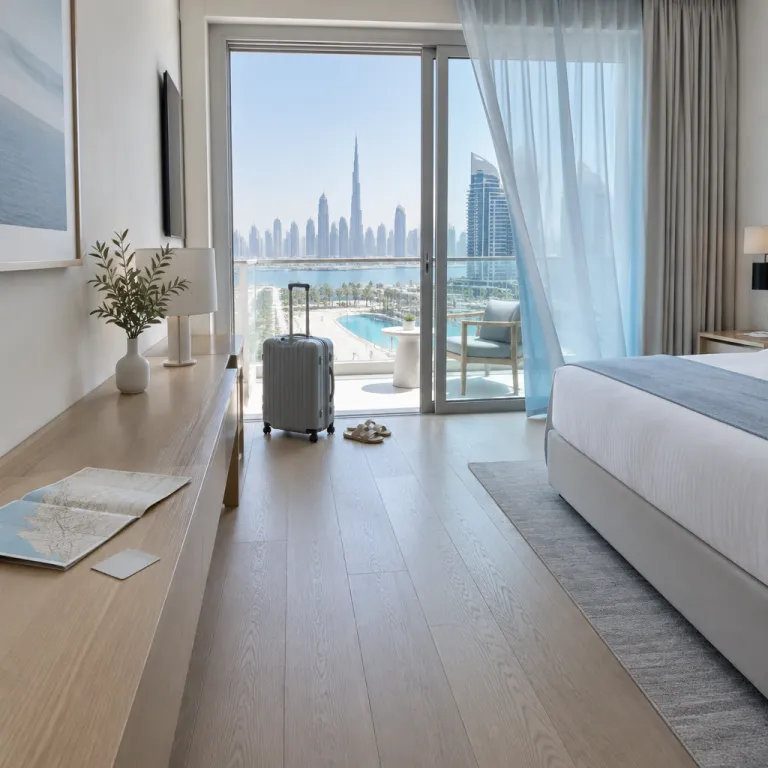
Things to do in Dubai when you are choosing your hotel base
Choosing where to stay in Dubai is easier when you map your must-see attractions around your preferred neighbourhood and daily rhythm. Many travellers want quick access to the Burj Khalifa area, the vast Dubai Mall, and the glittering Dubai Marina, so they look for hotels that sit between these hubs and the coast for efficient travel times. If you plan your days around both city sights and the desert, you can minimise transfers, avoid backtracking, and maximise fun.
For guests who want classic skyline views, a hotel near Burj Khalifa and the wider Downtown district places you close to the tower, the Dubai Frame, and several major malls Dubai visitors love. This location makes it simple to walk or take short taxi rides to many of the most famous experiences the city offers, from the Dubai Mall aquarium to evening fountain shows with dramatic views of Burj Khalifa in the background. If you prefer a resort feel, staying near Jumeirah Beach or close to Burj Al Arab gives you direct sea access while keeping the city’s top attractions within a 20 to 30 minute drive in typical traffic.
Travellers focused on desert adventures might choose hotels on the city’s outer edges, which can shorten transfers to a desert safari or to the starting points for dune bashing. These properties often work closely with local tour operators and with the Dubai Department of Economy and Tourism to coordinate safe, well timed desert safaris that fit around your dinner reservations back in town. Whether you stay in the marina, Downtown, or near the old souk districts, think about how your hotel’s location supports the specific activities in Dubai that matter most to you, from creekside markets to late night marina strolls.
Iconic skyline experiences around burj khalifa and Dubai Frame
The cluster of attractions around Burj Khalifa and Dubai Mall defines many travellers’ first impressions of Dubai. From a hotel in Downtown you can walk to the tower, explore one of the largest malls Dubai has created, and still be back in your room in minutes to change for dinner. This compact area concentrates many of the most sought after city highlights into a single, highly walkable zone that is also well served by Burj Khalifa/Dubai Mall Metro Station.
Visiting the official observation decks at Burj Khalifa is a classic Dubai top experience, especially if you time your slot for late afternoon to watch the light change across the desert. From these heights the views stretch from the marina towers to the historic creek, and you can clearly see how the city rises from the surrounding dune landscape. Many guests book skip the line tickets through their hotel concierge or reputable platforms recommended by the property, which can be invaluable during peak periods such as January when visitor numbers surge and sunset slots sell out hours in advance.
Just a short drive away, the Dubai Frame offers a different perspective on what Dubai does best, literally framing the contrast between old souk districts and the new skyline. From its glass walkway you enjoy alternative views of Burj Khalifa and the wider city, which makes it a strong complement to the more vertical tower experience. If you are staying near the creek or in Deira, the Frame is often closer than Downtown, so it can be a convenient first stop on your travel day before you head to the mall or marina for evening fun, with taxi rides from Deira typically taking around 15 minutes in light traffic.
Coastal leisure, Dubai Marina nights, and sea facing hotels
Dubai Marina and the neighbouring Jumeirah Beach Residence area suit travellers who want water, nightlife, and easy access to many coastal attractions. Hotels here place you within walking distance of the marina promenade, beach clubs, and a dense cluster of restaurants that stay lively well into the night. This area works especially well if you like to alternate relaxed days by the sea with more structured city excursions and evening sightseeing.
From a marina hotel you can join yacht cruises that glide past Dubai’s skyscraper silhouettes, giving you open air views of Burj Khalifa and the rest of the skyline from the water. Many cruises include sunset timings and on board dinner, which turns a simple boat ride into a memorable experience that combines city lights, sea breeze, and curated menus. If you prefer something more active, you can book jet ski tours that race towards Burj Al Arab, stopping for photos with the hotel’s sail shaped profile behind you and the coastline stretching back towards Downtown.
Families often appreciate that the marina district connects efficiently to Dubai Mall and other malls Dubai operates through the Metro and tram network, so you can shop by day and return to the waterfront by evening. Staying here also keeps you within reasonable driving distance of the desert, making it feasible to join afternoon desert safaris that return you to your room before midnight. When you compare hotel options, consider whether you want your primary view to be the sea, the Burj Khalifa skyline, or the quieter creeks and souk areas, because that choice will shape your daily rhythm and transport needs.
Desert safaris, dune bashing, and how to pair them with city stays
For many visitors the most memorable Dubai experiences happen not under skyscrapers but out in the desert. A classic desert safari usually includes hotel pick up, a drive beyond the city limits, and a sequence of activities that might feature dune bashing, camel rides, and a traditional style dinner under the stars. Because these excursions often run from mid afternoon into the evening, your hotel location and schedule planning matter more than many first time travellers realise.
If you are staying in Downtown or near Dubai Marina, expect the transfer to the desert to take 45 to 75 minutes depending on traffic and your exact hotel. Some operators specialise in premium desert safaris with smaller groups, air conditioned 4x4 vehicles, and more time on the dunes, which can be worth the extra cost if you value comfort and a calmer experience. When you compare options, ask whether dune bashing is included or optional, because some guests prefer a gentler drive across the sand while others want the full adrenaline rush.
Travellers who are particularly focused on desert experiences sometimes split their stay between a city hotel and a dedicated desert resort, which allows them to enjoy multiple safaris without repeated long transfers. In that case you might spend your first nights near Burj Khalifa and Dubai Mall for shopping and urban views, then move to a property closer to the dune fields for quieter days and nights. Whatever you choose, remember that the desert can be significantly cooler after sunset, so pack layers and follow the local advice to stay hydrated in the heat during the earlier part of the day.
Old Dubai, souks, and cultural evenings from creekside hotels
Not every stay needs to revolve around the newest towers, because some of the most atmospheric things to do in Dubai unfold along the historic creek. Hotels in Deira or Bur Dubai place you close to the Gold Souk, the Spice Souk, and the traditional abra boats that shuttle residents and visitors across the water for a few dirhams. This area suits travellers who enjoy walking through narrow lanes, bargaining in markets, and feeling the city’s trading heritage up close.
A visit to the Gold Souk is particularly striking, with window after window of intricate jewellery that reflects Dubai’s role as a regional trading hub. From here you can continue to textile markets, small museums, and restored courtyard houses that show how people lived before the rise of Burj Khalifa and the modern skyline. Many hotels in this district can arrange guided walking tours that explain local customs, which is helpful in a city where modest attire is recommended in public places.
Evenings along the creek lend themselves to relaxed dinner cruises on traditional wooden dhows, which offer a quieter alternative to the more high energy marina boats. These cruises often pass illuminated mosques, old trading warehouses, and distant views of Burj Khalifa, giving you a layered sense of how Dubai has evolved from village scale settlements to a global city. If you are staying elsewhere, it is still worth planning at least one dedicated visit to this area, because it balances the polished malls Dubai is famous for with a more grounded, everyday atmosphere.
Global Village, malls, and seasonal experiences that shape your itinerary
Shopping and entertainment complexes play a central role in many itineraries built around things to do in Dubai, especially for guests who value climate controlled spaces. Dubai Mall remains the flagship, combining luxury brands, an ice rink, an aquarium, and direct access to Burj Khalifa and the fountain shows in a single integrated experience. Other malls Dubai operates, such as Mall of the Emirates or City Centre Deira, add ski slopes, cinemas, and family attractions that can easily fill a full day.
Beyond the traditional mall, Global Village offers a seasonal open air park that blends pavilions from different countries, live performances, and extensive street food options. Many travellers time their visit to Global Village for the cooler months, often between November and March, when evening temperatures make strolling between pavilions more comfortable. Because the site sits outside the central districts, it is wise to ask your hotel concierge about shuttle services or recommended taxi timings, especially during busy January weekends when queues for entry and return rides can be long.
When you combine these venues with coastal areas, desert safaris, and cultural quarters, you begin to see why the city attracts around 16 million tourists per year (Dubai Department of Economy and Tourism, 2023). The tourism board and its partners use guided tours, self exploration tools, and mobile apps to help visitors navigate this wide range of experiences Dubai offers. As they summarise in their own guidance, "What is the best time to visit Dubai?" "November to March offers cooler weather." "Are there any dress codes in Dubai?" "Modest attire is recommended in public places." "Is Dubai safe for tourists?" "Yes, Dubai is considered very safe for tourists."
Desert adventures and city excursions tailored to your hotel choice
Balancing desert adventures with city excursions is easier when you treat your hotel as a strategic base rather than just a place to sleep. Guests who stay near Burj Khalifa and Dubai Mall often schedule early mall visits, midday rest by the pool, and late afternoon departures for a desert safari that returns them in time for a late dinner. Those based in Dubai Marina might reverse the pattern, enjoying beach time first, then heading inland for dune bashing as the sun drops.
If your priority is to experience multiple desert safaris, consider choosing a hotel that partners closely with local tour operators, because this usually means smoother pick up logistics and clearer communication about timings. Some properties even host pre departure briefings in their lobbies, where guides explain what to expect from the dunes, how long each activity lasts, and how to dress for both heat and cooler desert nights. This level of coordination reflects Dubai’s broader goal of enhancing visitor experience while boosting the local economy through well managed tourism.
To make this more concrete, imagine three sample stays. A two night stopover might focus on Burj Khalifa, Dubai Mall, and one evening desert safari from a Downtown hotel. A four night break based in Dubai Marina could mix beach time, a dhow style cruise, a half day at the creekside souks, and a single dune bashing trip. A week long holiday split between a city property and a desert resort allows you to add Global Village, extra mall visits, and quieter nights under the stars without rushing.
Key figures that shape your Dubai planning
- Dubai welcomes around 16,000,000 tourists per year, according to 2023 statistics from the Dubai Department of Economy and Tourism, which explains why advance booking for Burj Khalifa tickets and popular desert safaris is strongly recommended during peak months.
- The average daytime temperature reaches about 35 degrees Celsius across the warmer months, based on data from the Dubai Meteorological Department, so indoor malls and evening activities become especially valuable parts of your list of things to do in Dubai.
- Major attractions such as Dubai Mall, the Dubai Frame, and Global Village operate year round with extended opening hours, while special events and festivals concentrate around national holidays and the cooler season from roughly November to March.
- Public transport, including the driverless Metro and air conditioned buses, connects key districts like Dubai Marina, Downtown, and Deira, which helps visitors reduce taxi costs while still reaching most top attractions efficiently.
FAQ about planning things to do in Dubai from your hotel
What is the best time of year to visit Dubai for sightseeing ?
The most comfortable period for outdoor sightseeing and desert safaris runs from roughly November to March, when daytime temperatures are milder and evenings are pleasant. During these months you can combine visits to Burj Khalifa, creekside souks, and Global Village without struggling with extreme heat. Hotel rates can be higher in this season, so early booking is advisable.
How many days do I need to cover the main things to do in Dubai ?
A stay of four to five nights allows you to experience the core attractions in Dubai, including a desert safari, a visit to Dubai Mall and Burj Khalifa, time in Dubai Marina, and at least one evening in the old souk districts. With seven nights you can add Global Village, extra beach time, and perhaps a second desert excursion. Shorter stays are possible but require more careful planning and prioritisation.
Is Dubai safe for solo travellers and families staying in city hotels ?
Dubai maintains a strong reputation for safety, with low crime rates in tourist areas and visible policing around major attractions, malls, and metro stations. Families and solo travellers routinely use taxis, the Metro, and guided tours without issues, especially when they follow standard urban safety habits. The city’s focus on tourism means hotel staff and local tour operators are accustomed to supporting guests who are new to the region.
Do I need to book desert safaris and burj khalifa tickets in advance ?
Advance booking is strongly recommended for both desert safaris and Burj Khalifa observation decks, particularly during busy periods such as January and major holidays. Many hotels can arrange these reservations through their concierge desks, often with flexible pick up times that match your daily schedule. Booking early helps you secure preferred time slots, such as sunset on the tower or late afternoon departures for dune bashing.
Are there dress codes I should follow when visiting souks and cultural sites ?
While hotel pools and some beach clubs allow more relaxed clothing, modest attire is recommended in public places, especially in traditional souks, mosques, and government buildings. This usually means covering shoulders and knees, and avoiding very tight or transparent garments. Respecting these norms helps you feel more comfortable and aligns with local expectations for visitors.
References
- Dubai Department of Economy and Tourism
- Dubai Meteorological Department
- United Arab Emirates Government Tourism Portal