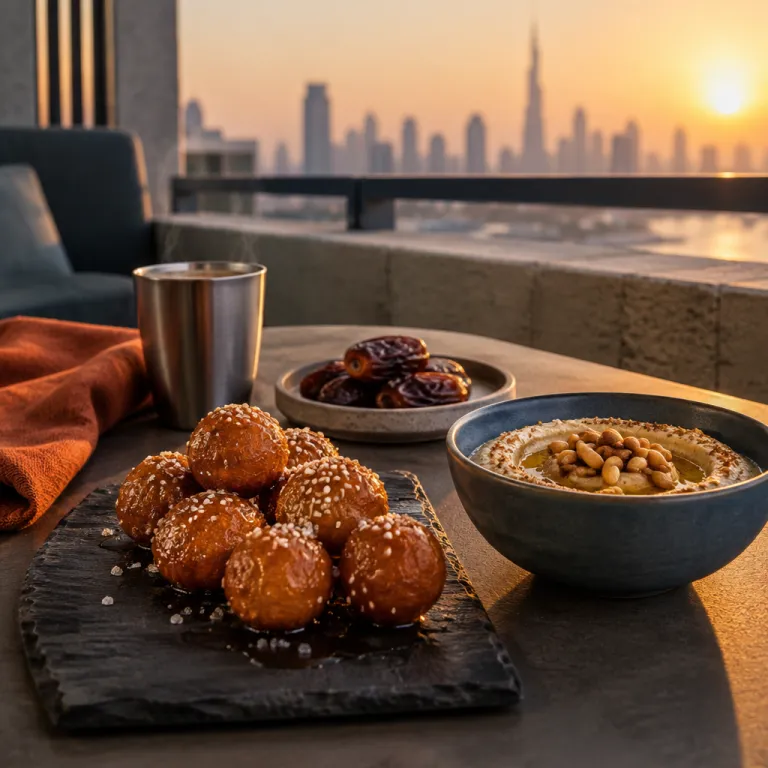
Why dubai local food to try matters when choosing your hotel
When you plan a stay in Dubai, local food experiences should sit alongside location and room type on your checklist. The city’s hotels are deeply connected to traditional Emirati dishes and wider Middle Eastern cuisine, so your choice of property will shape every breakfast plate and late night snack. For many travellers, the best hotel is the one where authentic Emirati food, refined restaurants and easy access to street food all meet in one seamless experience.
Dubai sits within the United Arab Emirates, and its food culture reflects both the desert environment and centuries of trade across the Arab Emirates and the Indian Ocean. You will see rice, grilled meat and freshly baked bread served in generous portions, with traditional Emirati spices and slow cooked techniques that create deeply delicious dishes. When you compare hotels, look beyond the room photos and ask how the property connects you to food Dubai is proud of, from traditional Emirati cuisine to modern takes on classic foods Dubai residents grew up with.
Many luxury hotels now host fine dining restaurants led by celebrity chefs who reinterpret Emirati cuisine for a global audience. These restaurants often highlight one signature dish that showcases local meat, fragrant rice and Arabic coffee pairings, creating a memorable experience without leaving your lobby. If you prefer a more casual atmosphere, choose a hotel near historic districts where street food stalls, a traditional tea house and cafés serving karak chai or Arabian tea are only a short walk away.
Fine dining, celebrity chefs and traditional emirati flavours
Dubai has become a stage for international chefs who weave traditional Emirati dishes into polished tasting menus. In many hotel restaurants, you will find Emirati food reimagined with precise plating, lighter sauces and seasonal produce, yet the core flavours of the desert remain intact. This balance allows you to enjoy Dubai’s local cuisine in a refined setting while still tasting the depth of traditional Emirati heritage.
Look for hotel properties that host acclaimed Middle Eastern or international names, because their restaurants usually highlight local foods Dubai is known for, such as slow cooked meat over rice, spiced fish and freshly baked bread served with fragrant dips. At Atlantis The Royal, for example, Dinner by Heston Blumenthal explores historical recipes from the wider region, while Al Nafoorah at Jumeirah Al Qasr focuses on Levantine dishes alongside Emirati-inspired grills and rice. A well curated menu might pair Arabic coffee with dates as an opening gesture, then move into a main dish that layers textures from the Dubai desert and coastal waters. When you read each restaurant description, pay attention to how often they reference Emirati cuisine, as this signals a serious commitment to regional food rather than a token dish.
Some hotels collaborate with venues like Al Fanar Restaurant & Café, often referred to simply as Fanar Restaurant, which specialises in traditional Emirati recipes presented in a nostalgic setting. Staying near such a restaurant gives you easy access to both casual lunches and more elaborate dinners that showcase the best of Emirati food Dubai residents recommend to visiting friends. One guest described their first plate of machbous there as “smoky, gently spiced and comforting, like a home-cooked meal in a place I had never been before.” If you travel with family or plan activities around your hotel, you can also review guidance on how to choose a Dubai hotel with great halal food nearby so that every meal aligns with your dietary expectations.
Signature emirati dishes and foods to prioritise near your hotel
Once you have chosen your hotel, focus on a shortlist of Dubai local food to try so you do not miss the most emblematic flavours. A classic starting point is a rice and meat dish such as machbous or kabsa, where spiced rice is cooked with lamb, chicken or seafood and served on large sharing platters. These dishes appear in both hotel buffets and independent restaurants, giving you flexibility to taste them in different settings.
Another essential experience is traditional bread, from soft khubz to chebab pancakes, often served warm with date syrup or cheese at breakfast. Many hotels in Dubai offer live bread stations where you can watch dough being stretched and baked, which adds a tactile dimension to your understanding of Emirati cuisine. Pair this bread with Arabic coffee or strong karak chai, and you will quickly understand why locals linger over these foods in both tea houses and modern cafés.
Do not overlook street food options near your accommodation, because they often provide the most vivid snapshot of daily food Dubai residents actually eat. Shawarma, falafel and grilled meat skewers count among the best quick dishes, and they are usually served with salad, pickles and fresh bread for a balanced meal. When you share your favourite dish later as an Instagram post or a short post shared with friends, you will likely remember these simple yet delicious foods as clearly as any fine dining experience.
From desert safari dinners to dubai desert tasting menus
Many visitors pair their hotel stay with a desert safari, which often includes an evening meal under the stars. These excursions typically feature buffets of traditional Emirati foods, grilled meat, rice dishes and freshly baked bread, giving you another angle on Dubai local food to try beyond the city’s polished restaurants. The setting in the Dubai desert, with low tables and cushions, adds a sense of place that no urban dining room can fully replicate.
When you book a desert safari through your hotel concierge, ask specific questions about the menu and whether traditional Emirati cuisine is highlighted. Some operators focus mainly on generic Middle Eastern foods, while others emphasise authentic Emirati dishes and Arabic coffee ceremonies that reflect the hospitality of the wider United Arab culture. If you have dietary preferences, confirm how each dish will be served, especially regarding meat choices, spice levels and vegetarian options.
Back in the city, several high end restaurants now offer tasting menus inspired by the desert landscape, using ingredients such as dates, camel milk and regional spices. At Al Hadheerah in Bab Al Shams Desert Resort, for instance, open-air buffets combine slow cooked lamb, rice dishes and live cooking stations with traditional music and dance. These restaurants may not label every course as Emirati food, yet the flavours and techniques clearly reference the foods Dubai families have cooked for generations. For travellers who enjoy sharing their journeys visually, a carefully plated desert inspired dish often becomes a striking post Instagram image that captures both creativity and tradition.
Historic quarters, tea houses and street food near central hotels
Staying near Dubai Creek or Al Fahidi Historical Neighbourhood places you close to some of the city’s most atmospheric food streets. Here, narrow lanes host a mix of traditional tea houses, small restaurants and stalls where street food is prepared in front of you. This area is ideal for guests who want Dubai local food to try within walking distance of their hotel lobby.
Seek out a tea house that serves Arabian tea and strong karak chai, often accompanied by small plates of savoury snacks or sweet pastries. These venues provide a slower paced experience than busy malls, allowing you to observe how residents of the United Arab Emirates weave coffee, tea and light foods into their daily routines. Many travellers find that a simple cup of Arabic coffee served with dates in a shaded courtyard feels as memorable as a multi course meal in one of the city’s grand restaurants.
Street food in these historic districts often includes grilled meat, shawarma wraps, samosas and regional breads, reflecting influences from across the Middle Eastern region and nearby Abu Dhabi. You can move from one restaurant to another, sampling different dishes and comparing how each place seasons its rice, sauces and marinades. Families planning activities around their accommodation can consult resources such as this guide to what to do around your hotel in Dubai with kids, then build in relaxed food stops between cultural visits and creek crossings.
Planning your hotel stay around food dubai excels at
When you evaluate hotels online, pay close attention to how each property presents its restaurants and food philosophy. A strong emphasis on traditional Emirati dishes, Arabic coffee rituals and partnerships with respected local restaurants signals that Dubai local food to try is taken seriously. Properties that highlight both fine dining and casual foods Dubai residents enjoy daily will give you the broadest culinary experience.
Look for menus that clearly list Emirati cuisine alongside other Middle Eastern and international options, rather than hiding local dishes in a small corner. Breakfast buffets that feature regional bread, spiced beans, grilled meat and fragrant rice, all served with Arabic coffee or karak chai, indicate a kitchen that understands local expectations. When a hotel collaborates with venues such as Fanar Restaurant or nearby street food vendors, you gain easy access to both polished and everyday expressions of Emirati food culture.
Social media can also help you assess whether a hotel truly celebrates food Dubai is proud of, or simply follows global trends. Browse each property’s Instagram post gallery and see how often they showcase traditional Emirati plates, desert safari dinners or tea house experiences rather than only international brunches. If many guests have a post shared that praises the flavour of a particular dish or the warmth with which it was served, you can treat that as a practical signal of consistent quality.
Extending your culinary journey beyond dubai
While Dubai offers an impressive range of local foods to try, you may wish to extend your trip to nearby Abu Dhabi for a broader view of Emirati cuisine. The capital city also features restaurants dedicated to traditional Emirati dishes, often in cultural centres that explain the history behind each dish. Travelling between the two cities allows you to compare how chefs interpret similar ingredients, from desert raised meat to coastal seafood and fragrant rice.
Across the wider Arab Emirates, food culture remains closely tied to hospitality, with Arabic coffee and dates served as a welcoming gesture in homes and hotels. You will notice that many restaurants in both Dubai and Abu Dhabi emphasise this ritual, reinforcing the importance of coffee and tea in United Arab social life. Tea houses specialising in Arabian tea and karak chai provide another window into daily routines, especially when you sit among local families and office workers rather than only tourists.
As you share your journey through each Instagram post or travel blog post, consider highlighting not only the best dishes but also the contexts in which they were served. A simple plate of bread and grilled meat in a quiet street food stall can feel as meaningful as a complex tasting menu in a skyline restaurant. By paying attention to these contrasts, you will leave with a deeper understanding of Dubai local food to try and how it reflects both tradition and modern ambition.
Key figures about dining and hotels in Dubai
- Dubai hosts more than 13,000 restaurants and cafés, according to Dubai Municipality figures cited by local media, giving hotel guests access to one of the highest restaurant densities in the Middle Eastern region.
- Roughly 80 % of residents in the United Arab Emirates are expatriates, based on data from the UAE Federal Competitiveness and Statistics Centre, which helps explain why food Dubai offers ranges from traditional Emirati cuisine to hundreds of international styles in a compact urban area.
- Tourism authorities report that food and beverage spending by visitors in Dubai has grown steadily over the past decade, with dining now representing a significant share of total trip expenditure for many hotel guests.
- Desert safari excursions remain among the most booked activities from city hotels, and many packages include buffet dinners that introduce travellers to grilled meat, rice dishes and Arabic coffee ceremonies in the Dubai desert.
- Online travel platforms show that hotels highlighting strong restaurant offerings and local food experiences often achieve higher guest satisfaction scores than comparable properties without such emphasis.
FAQ about dubai local food to try during your hotel stay
Which traditional Emirati dishes should I prioritise near my hotel ?
Focus on rice and meat dishes such as machbous or kabsa, which appear in many hotel restaurants and nearby local eateries. Complement these with freshly baked bread, luqaimat dumplings and grilled fish to sample a range of textures. Many buffets also include salads and mezze that reflect wider Middle Eastern influences.
Can I find authentic street food close to major hotels in Dubai ?
Yes, several central districts such as Deira, Satwa and Karama offer vibrant street food scenes within a short taxi ride of many hotels. You will find shawarma, falafel, grilled meat skewers and regional breads served late into the night. Ask your concierge for specific recommendations that match your comfort level and dietary needs.
How do I ensure my hotel offers good options for emirati cuisine ?
Review the hotel’s restaurant menus online and look for clear references to traditional Emirati dishes, Arabic coffee service and regional desserts. Properties that partner with recognised local brands or highlight Emirati themed nights usually take authenticity seriously. Guest reviews that praise local foods Dubai is known for provide another reliable indicator.
Is a desert safari dinner worth adding to my food itinerary ?
A desert safari dinner offers a different atmosphere from city restaurants, with buffets of grilled meat, rice dishes and salads served under open skies. While quality varies by operator, many travellers value the combination of food, entertainment and the Dubai desert setting. Booking through your hotel can help you choose a reputable provider with clear menu details.
Are tea houses and coffee traditions important to the local food experience ?
Tea houses and coffee rituals sit at the heart of hospitality in the United Arab Emirates, so they are essential to understanding local culture. Sampling Arabic coffee, Arabian tea or strong karak chai in a traditional setting reveals how residents socialise and relax. Many hotels now incorporate these elements into their lounges, but visiting an independent tea house adds extra context.