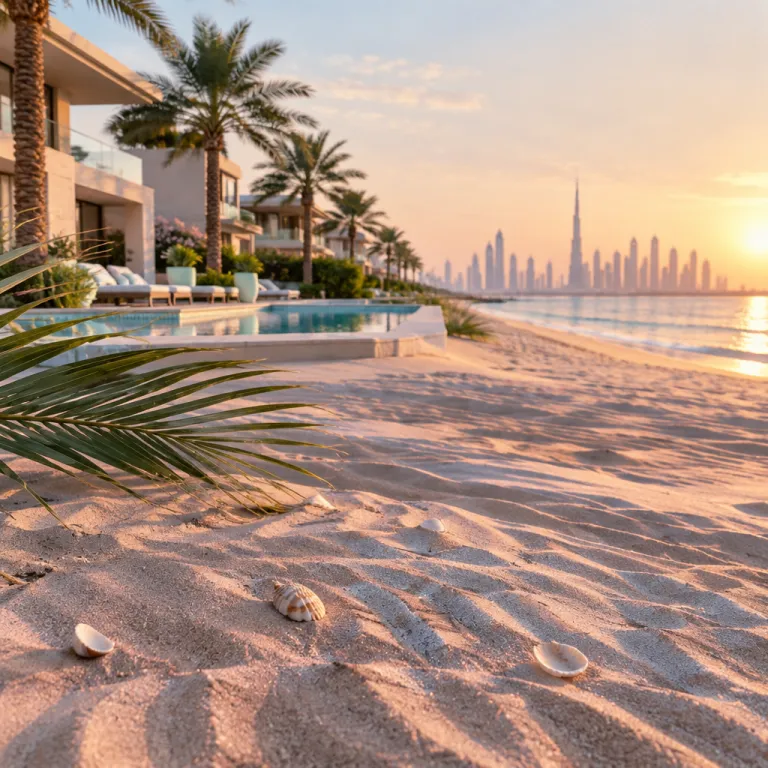
Why hotel guests are now considering buying property in Dubai for foreigners
Many frequent visitors who start by booking a hotel in Dubai eventually consider buying property in Dubai for foreigners as a long term lifestyle decision. As travellers compare the nightly price in AED for extended hotel stays with the purchase price of a small property in Dubai, the real cost difference becomes striking for those returning several times each year. This shift is especially visible among guests who split their time between Dubai and Abu Dhabi, using both cities as bases across the wider UAE.
For these repeat travellers, a hotel in Jumeirah or near Dubai Hills often becomes a testing ground before they buy property for personal use or rental income. They begin by tracking the estate market, watching how each property price in AED compares with their annual accommodation budget and how the exchange rate affects the final cost in their home currency. Over time, the idea of a permanent property Dubai address feels less like a distant plan and more like a practical extension of their travel habits.
Once guests realise that buying property can unlock both lifestyle and investment benefits, they start asking more technical questions about the real estate framework in the UAE. They want clarity on land department rules, transfer fees, and how bank mortgage rate structures work for non residents who are still primarily hotel based visitors. According to Dubai Land Department transaction summaries for 2022 and 2023, foreign investors have consistently represented a substantial share of total deal values, underlining how common this path from guest to owner has become for foreigners who know Dubai better than many residents.
From five star suites to branded residences and extended stays
Luxury travellers who once relied only on hotel suites in Dubai are now drawn to branded residences that offer hotel style services with the security of owning a property. These residences often sit above or beside established hotels in areas such as Jumeirah, Dubai Hills, and Jumeirah Village, giving owners access to concierge teams, spas, and restaurants while still holding a real estate asset. For many foreigners, this hybrid model feels like a natural bridge between booking a room and buying property for the first time.
In these developments, the purchase property process is closely linked to hospitality standards, with developers presenting detailed plan projects that highlight both lifestyle amenities and projected rental income. Buyers compare the purchase price in AED with historic occupancy data from the attached hotel, using real market figures rather than speculative promises to judge whether the estate is likely to perform well. Recent market reports from international consultancies, such as 2023 hospitality reviews by CBRE and JLL, often show average hotel occupancy in Dubai above 70% in prime years, which gives cautious buyers a concrete benchmark when assessing branded residence performance.
Extended stay products, including serviced apartments and long stay hotel wings, also act as a soft entry point into buying property in Dubai for foreigners. Guests might sign a three month plan before committing to buy property, using that period to understand the true cost of living, transport, and service fees in the UAE. A typical scenario is a frequent visitor who spends a season in a serviced apartment, then works with a major developer such as Emaar or Nakheel to secure a unit in a comparable building once they are comfortable with both the lifestyle and the numbers.
Key districts where hotel guests transition into owners
Not every district suits a traveller who wants both a refined hotel experience and a strong real estate position. Areas such as Jumeirah, Dubai Hills, and Jumeirah Village stand out because they combine established hotels, emerging branded residences, and a deep pool of Dubai property options at different price points. This mix allows foreigners to test neighbourhoods as guests before buying property for personal use or investment.
In Jumeirah, waterfront hotels sit close to low rise properties and premium villas, giving visitors a clear sense of how land value translates into property price in AED. Many guests begin by renting serviced apartments attached to hotels, then later negotiate a purchase price for similar units once they understand the local estate market and service fees. Because Jumeirah is a mature district, the real estate data is richer, which helps foreigners compare the cost and potential rental income with other parts of the UAE.
Dubai Hills and Jumeirah Village, by contrast, appeal to travellers who are comfortable with off plan projects and newer communities. Here, hotel offerings are growing alongside residential properties sale pipelines, and buyers often secure more competitive rate structures from the bank when they commit early. A simple example is a non resident who tests Dubai Hills through a mid range hotel, then secures a mortgage with a UAE bank at a loan to value ratio typically capped around 60–75% for foreigners, in line with 2023 product ranges advertised by major lenders, using the same district for both extended stays and long term ownership.
Understanding costs, fees, and financing for foreign buyers
Anyone moving from hotel bills to ownership must understand the full cost structure of buying property in Dubai for foreigners. Beyond the headline property price in AED, buyers face land department transfer fees, agency commissions, and ongoing service charges that can rival the annual cost of several long hotel stays. In Dubai, the transfer fee is commonly around 4% of the purchase price, and agency commissions often add a further 2%, so a clear cost schedule is essential before signing any agreement.
Foreigners usually work with a local bank in Dubai or Abu Dhabi to secure financing, and each institution applies its own rate and eligibility criteria. Some banks are more comfortable lending to non residents who already have a history of spending in the UAE, such as regular hotel stays and card transactions in Dubai and Abu Dhabi. Others focus more on the stability of the buyer’s income and the projected rental income from the property, especially in high demand areas like Jumeirah or Dubai Hills, where typical non resident loan to value ratios are often below full financing and can sit in the 50–75% range depending on risk appetite.
For those considering off plan projects, payment schedules can feel more flexible than a single large purchase, but they still require discipline. Developers may offer staged payments in AED linked to construction milestones, while the final handover triggers registration with the land department and full transfer of the estate. Buyers who plan carefully, track the exchange rate, and budget for all fees usually find the transition from hotel guest to owner smoother and financially safer, especially when they compare the total cost with what they already spend on long hotel stays each year. For instance, a traveller paying AED 900 per night for 90 nights spends about AED 81,000 annually, which can be compared directly with a mortgage instalment, 4% transfer fee, 2% agency commission, and yearly service charges on a compact apartment.
How rental income and extended stays intersect for international buyers
Many foreigners who start as hotel guests aim to offset their ownership cost through rental income once they buy property. In districts with strong tourism demand, such as Jumeirah and central Dubai, a well located property can generate short term rentals that mirror hotel style stays while still being part of the real estate pool. This dual use appeals to buyers who want a personal base in the UAE and a financial asset that works when they are abroad.
Some branded residences and serviced properties sale schemes allow owners to place their units into a managed rental pool, where the operator handles bookings, housekeeping, and guest services. In these cases, the owner receives a share of revenue in AED, while the operator keeps a portion to cover management cost and maintain hotel level standards. Recent consultancy research, including 2022–2023 Dubai residential yield snapshots by Knight Frank and similar firms, often cites gross yields in the range of roughly 5–8% for well located Dubai apartments, and owners in managed pools use these benchmarks to judge whether the projected income justifies the purchase price and ongoing service charges.
Longer term, the strength of the estate market in Dubai and Abu Dhabi will influence both capital appreciation and rental yields. Areas with limited available land, such as waterfront zones and established communities, often show more resilient property price trends than oversupplied districts. Buyers who understand how Dubai land constraints, tourism flows, and infrastructure plans interact are better placed to choose properties that support both lifestyle and investment goals, rather than relying only on headline prices or short term promotional offers.
Practical steps for hotel guests considering a property purchase
Travellers who are serious about buying property in Dubai for foreigners should start by aligning their hotel choices with potential ownership districts. Staying in different parts of Dubai, from Jumeirah to Dubai Hills and Jumeirah Village, allows them to compare daily life, commute times, and the feel of each estate. This lived experience is often more valuable than any brochure when deciding where to buy property for the long term.
Next, guests should request detailed information from developers and agents about current plan projects, including total purchase price in AED, expected completion dates, and projected rental income. They should also ask for clear breakdowns of land department fees, service charges, and any penalties for late payments, then compare these figures with what they currently spend on hotels each year. Speaking with a bank that understands the needs of non residents in the UAE can clarify how much financing is realistic and what rate they can secure, and many buyers also prepare a simple checklist covering budget, preferred districts, and expected rental yield before making an offer.
Finally, it is wise to track the exchange rate over several months before committing to a large transfer, especially for buyers funding the purchase from outside the UAE. A small shift in currency value can significantly change the real cost of a Dubai property, even when the price in AED remains stable. By combining careful financial planning with on the ground experience as hotel guests, foreigners can move confidently from temporary stays to owning a property Dubai address that truly fits their lifestyle.
Key figures shaping foreign ownership and hospitality linked real estate
- According to the Dubai Land Department, foreign buyers accounted for a significant share of real estate transactions in Dubai in recent years, and 2022–2023 market digests highlight sustained growth in international investor participation, underlining how buying property has become a mainstream option for repeat visitors who once relied only on hotels.
- Data from major UAE banks shows that loan to value ratios for non resident buyers in Dubai and Abu Dhabi typically range below full financing, with many products capped between roughly 60% and 75%, which means foreigners must plan for a substantial cash down payment when moving from hotel stays to ownership.
- Tourism authorities report that Dubai welcomes many international visitors each year, and 2023 tourism performance updates note record guest numbers, with a growing portion of these guests now booking extended stays or serviced apartments, creating a natural pipeline into the estate market for branded residences.
- Market reports from leading real estate consultancies indicate that prime districts such as Jumeirah and Dubai Hills often command higher property price levels per square metre than emerging areas, but they also show stronger occupancy and rental income potential, especially for professionally managed units.
- Analysts tracking the wider UAE estate market note that Dubai property transactions have grown steadily over recent years, supported by investor friendly regulations and transparent land department procedures that appeal to foreigners seeking stability and clear ownership rights.
FAQ about buying property in Dubai for foreigners
Can foreigners legally own property in Dubai and Abu Dhabi ?
Foreigners can legally own freehold property in designated areas of Dubai and, under specific regulations, in selected zones of Abu Dhabi. These zones are clearly defined by each emirate’s land department and include many popular districts with strong hotel and tourism infrastructure. Buyers should always confirm the exact ownership structure of any estate before signing a purchase contract.
How does the cost of ownership compare with long hotel stays ?
The comparison depends on the property price in AED, expected rental income, and how often you stay in the UAE. Frequent visitors who spend several months each year in hotels may find that the purchase price of a modest apartment, plus annual fees, can rival their recurring accommodation cost. A detailed plan that includes bank financing rate, service charges, and realistic occupancy assumptions is essential.
What role does the Dubai Land Department play in a purchase ?
The Dubai Land Department oversees registration, transfer, and regulation of real estate transactions in the emirate. Every purchase property deal must be recorded with the department, which collects transfer fees and issues the title deed. This centralised system helps protect buyers, including foreigners, by providing clear ownership records and standardised procedures.
Are off plan projects suitable for first time foreign buyers ?
Off plan projects can offer lower entry prices and staged payments, which appeal to some first time foreign buyers. However, they also carry construction and delivery risk, so it is vital to choose reputable developers with a strong track record in the Dubai and Abu Dhabi estate market. Many cautious buyers start with completed properties sale options before considering off plan investments.
Which districts are most popular with hotel guests who become owners ?
Districts such as Jumeirah, Dubai Hills, and Jumeirah Village are popular with travellers who later decide to buy property. These areas combine established or growing hotel offerings with a wide range of residential properties, from serviced apartments to villas. Their mix of lifestyle amenities, transport links, and real estate depth makes them natural choices for foreigners transitioning from hotel stays to ownership.
Trusted references
- Dubai Land Department
- Dubai Department of Economy and Tourism
- Abu Dhabi Department of Municipalities and Transport