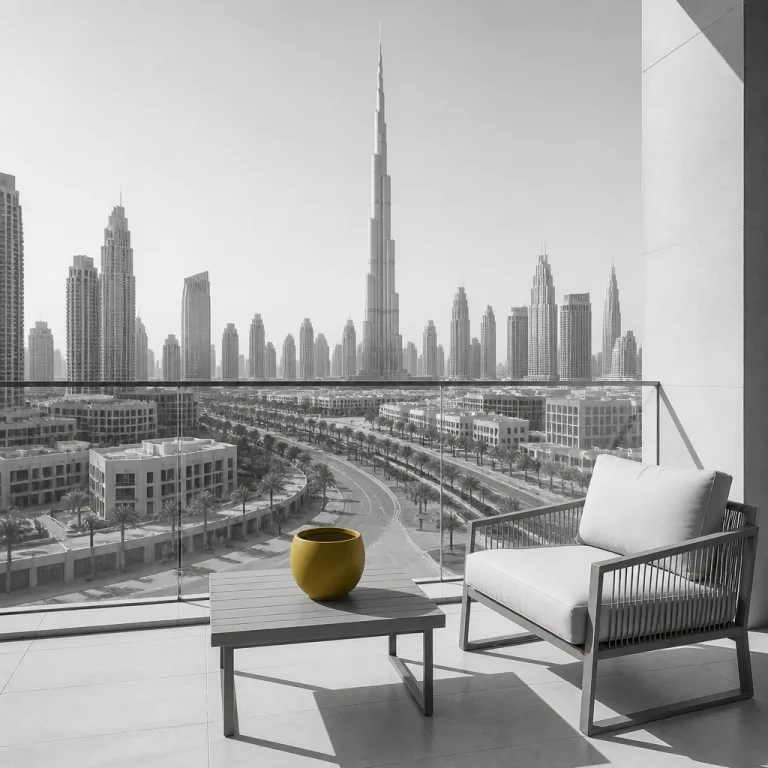
How Dubai’s seasons shape your Downtown and Burj Khalifa stay
The best time to visit Dubai for a Downtown hotel stay depends on how you balance comfort, budget, and city energy. Between November and March, the Dubai weather brings milder temperatures that sit around 20–28 °C, which makes it the peak season for travellers who want to walk between the Dubai Mall, the Burj Khalifa, and the fountains. During these cooler months Dubai feels like an open air lounge, and every evening the promenade fills with visitors who chose this time to visit specifically for outdoor activities and skyline views.
From April to September the season brings a sharp rise in temperatures, and by August the city can feel intense for anyone not used to desert heat. This summer period is rarely the best time for long walks in Downtown Dubai, but it can be the best season for travellers who want quieter hotel pools, lower room rates, and air conditioned access to the best places for shopping and dining. When you plan your trip, check how your own heat tolerance and preferred activities align with each season, because the same city offers very different experiences across the months.
For many guests, the best time to visit Dubai is the shoulder period from late September to October and again in March, when temperatures are warm but not yet at summer extremes. In these months Dubai hotels around the Burj Khalifa often offer more availability than during the absolute Dubai peak, yet you still enjoy pleasant evenings on terrace lounges and rooftop bars. If you want to visit Dubai for both city energy and some Arabian Desert excursions, these shoulder months usually provide the most balanced conditions for your stay, especially if you prefer a shorter visit.
November to March: peak season for Burj Khalifa views and outdoor activities
For travellers focused on Downtown Dubai and Burj Khalifa views, November to March is widely regarded as the best time. During these months Dubai weather is mild enough for long walks along Sheikh Mohammed bin Rashid Boulevard, and you can comfortably move between places to visit such as Dubai Opera, Souk Al Bahar, and the Dubai Fountain shows. The Dubai Department of Economy and Tourism notes that this period sees increased tourist arrivals and more outdoor events scheduled, which means the city feels vibrant from breakfast on hotel terraces to late night rooftop cocktails.
Climate data compiled by Rough Guides and the UAE National Center of Meteorology indicates that average daytime temperatures in January hover around 24 °C, and this makes it ideal for outdoor activities like pool days, open air brunches, and evening cruises on the Dubai Canal. Because this is the clear peak season, you should expect higher room rates, and sample comparisons from booking engines suggest that hotel prices can increase by around 60 percent compared with quieter months. If you plan a trip during November to March, always check availability early, especially for rooms that directly face the Burj Khalifa or offer panoramic city skyline views.
Guests arriving from India or from Abu Dhabi often choose this best time to visit Dubai when they want to combine city stays with Arabian Desert experiences. The cooler season allows you to travel from your Downtown hotel to the desert for dune drives and camel rides, then return to the city for Dubai Shopping Festival events and waterfront dinners. When you visit Dubai in this period, you can comfortably explore multiple places in a single day, which makes it easier to justify a shorter stay if your schedule is tight. As a practical guide, aim for outdoor sightseeing and Burj Khalifa terrace visits between 9:00 and 11:00 in the morning or after sunset, when temperatures feel especially pleasant.
April to September: summer heat, lower prices, and indoor city life
From April to September, Dubai weather shifts into a very different season, and this has a strong impact on how you experience Downtown hotels. Daytime temperatures and humidity rise quickly, and by August the combination can feel challenging for anyone planning long walks between places to visit around the Burj Khalifa. For many travellers this is not the best time to visit Dubai for outdoor activities, yet it can still be the best time for value driven city stays focused on indoor experiences.
During these months Dubai hotels often reduce rates, so you may secure larger rooms or premium Burj Khalifa views for the same budget as a standard winter stay. For example, a Downtown hotel that averages AED 1,000 per night in January might drop closer to AED 600–700 in August for similar categories, especially when bundled with breakfast or spa access. The city responds to the summer season with a focus on indoor activities, from vast Dubai shopping malls to immersive attractions like Dubai Aquarium and VR parks. If you visit Dubai in the height of summer, plan your trip around air conditioned routes, schedule any necessary outdoor walks for early morning or late evening, and always check that your hotel pool area offers enough shade.
Travellers arriving from India or other warm regions sometimes find the heat manageable, especially if they are used to high temperatures, but the desert climate still feels more intense than many coastal cities. When you choose this time to visit, you trade the classic winter promenade atmosphere for quieter lobbies, shorter queues at attractions, and more attentive service in many places. For some guests, especially repeat visitors who know the city well, this summer period becomes their personal Dubai best season because it offers space, privacy, and excellent value. To stay comfortable, book properties directly connected to Dubai Mall or the metro, carry a light layer for strong indoor air conditioning, and reserve indoor Burj Khalifa viewing slots for late afternoon so you can watch the sunset from a cool, glass enclosed lounge.
Shoulder months and micro seasons: March, September, and October
Between the clear winter peak and the height of summer, Dubai offers subtle micro seasons that can be ideal for Downtown hotel stays. March marks the transition from the cooler November to March period into warmer conditions, and many travellers consider it the best time to visit Dubai for a mix of pleasant evenings and slightly softer hotel pricing. In these weeks you can still enjoy outdoor activities around the Burj Khalifa, while the city gradually shifts towards a more indoor focused rhythm.
September and October form another shoulder window, often overlooked by first time visitors who only check winter dates. During September and October, temperatures remain high but start to ease, and evenings around the Dubai Fountain become more comfortable for strolls and al fresco dinners. If you visit Dubai in these months, you may find that rooms with city or desert views are easier to secure, and some hotels introduce early season offers that make this a Dubai best compromise between climate and cost.
For travellers coming from India or from other parts of the United Arab Emirates, these shoulder months can align well with school calendars and public holidays. They also work for guests who want to split their trip between the city and the Arabian Desert, because early mornings in the dunes feel cooler than in full summer. When you plan your stay around these micro seasons, think carefully about your preferred activities and whether you value slightly lower temperatures or lower prices more. A simple month by month rule of thumb is: March for cooler evenings and outdoor brunches, September for late night city walks, and October for a gradual return to the lively winter promenade atmosphere.
Choosing your Downtown hotel by season, view, and activities
Once you understand the best time to visit Dubai for your climate preferences, you can match each season to specific hotel priorities in Downtown. During the November to March peak season, demand for rooms with direct Burj Khalifa views is intense, and properties facing the fountains often sell out months in advance. If you want these best places to stay, check availability early, consider flexible dates within the cooler months Dubai offers, and be prepared for higher nightly rates that reflect the Dubai peak demand.
In the April to September period, the same hotels may offer generous upgrades or packages that include spa treatments, airport transfers, or late check out, because the city competes more actively for each trip. This can be the best time for travellers who prioritise room size, club lounge access, or private balconies over being outside for long hours. When you visit Dubai in summer, focus on properties with strong indoor facilities, shaded pools, and easy access to Dubai shopping centres so that your activities remain comfortable despite the weather.
Guests who want to combine city stays with excursions to Abu Dhabi or the wider Arab Emirates region should also consider travel logistics by season. Cooler months make day trips along the highway more pleasant, and you can comfortably move from the skyscrapers of Dubai to the cultural sites of the capital in a single day. Whatever season you choose, always check cancellation policies, peak season surcharges, and whether your chosen hotel offers flexible options in case the Dubai weather or your personal schedule changes. For extra convenience, look for Downtown properties within a short walk of the Dubai Mall or Burj Khalifa/Dubai Mall metro station, which simplifies transfers to the airport and reduces the time you spend in traffic during busy winter evenings.
Planning a balanced itinerary: city lights, desert silence, and cultural events
For many travellers, the best time to visit Dubai is the period that allows them to experience both the futuristic city and the surrounding Arabian Desert in comfort. During the November to March window, mild temperatures ranging from 20 °C to 28 °C make it easy to start the day with a desert safari and end it with dinner overlooking the Burj Khalifa. This season brings more cultural events, open air concerts, and waterfront markets, which means your stay can include far more than just shopping and poolside relaxation.
One frequently asked question is: "What is the weather like in Dubai during winter?" and the verified answer is: "Mild temperatures ranging from 20 °C to 28 °C, according to climate summaries from Rough Guides and the UAE National Center of Meteorology." Another common query is: "Are there any major events in Dubai between November and March?" with the confirmed response: "Yes, including the Dubai Shopping Festival, New Year’s Eve fireworks at the Burj Khalifa, and various cultural events." Travellers also ask: "Is it necessary to book accommodations in advance for a winter visit to Dubai?" and the expert guidance is: "Yes, due to high demand during peak season, especially for Downtown hotels with Burj Khalifa views."
Outside the coolest months, you can still build a rich itinerary if you adapt your activities to the Dubai weather. In summer, schedule desert experiences at sunrise, keep midday hours for indoor attractions and Dubai shopping, then enjoy city views from air conditioned lounges as the sun sets behind the skyline. Whether you arrive from India, Europe, or another part of the United Arab Emirates, the key is to align your trip length, preferred places to visit, and tolerance for temperatures with the specific months Dubai offers, rather than relying on a single universal best time. A balanced plan might include one evening at the Dubai Fountain, one morning in the desert, one afternoon in a museum or gallery, and a final night at a rooftop bar watching the Burj Khalifa light shows.
Key statistics for choosing the best time to visit Dubai
- Average daytime temperatures in January sit around 24 °C in Dubai, which makes this month one of the most comfortable periods for outdoor activities around Downtown and the Burj Khalifa (based on climate summaries from Rough Guides and UAE National Center of Meteorology reports).
- Hotel prices during the winter peak season can rise by approximately 60 percent compared with quieter months, so travellers who prioritise budget may prefer shoulder periods such as March or September and October (an indicative figure supported by Tripbase commentary and sample rate comparisons from major booking engines).
- The November to March window sees the highest tourist arrivals in the city, which leads to increased hotel occupancy and a more vibrant atmosphere in public places like the Dubai Mall promenade and the fountain area, according to Dubai Tourism statistics and seasonal visitor reports.
- During the hottest summer months, daytime temperatures in the wider Arab Emirates region can exceed 40 °C, which strongly encourages visitors to focus on indoor activities and early morning or evening excursions, especially around Downtown Dubai.
FAQ about the best time to visit Dubai for Downtown stays
When is the most comfortable season to walk around Downtown Dubai?
The most comfortable season to walk around Downtown Dubai is from November to March, when daytime temperatures usually range between 20 °C and 28 °C. During these months Dubai weather supports long strolls between the Dubai Mall, Burj Khalifa, and nearby places to visit. Evenings are particularly pleasant for fountain shows, terrace dining, and other outdoor activities.
Is it worth paying higher prices during the peak season?
Paying higher prices during the peak season is worthwhile if you value mild weather and a lively city atmosphere. The November to March period offers the best time to visit Dubai for open air events, alfresco dining, and comfortable desert excursions. However, travellers focused on value or indoor activities may find that April to September provides a better balance between cost and experience.
Can I still enjoy Burj Khalifa views in summer?
You can absolutely enjoy Burj Khalifa views in summer, especially from well designed hotel rooms, lounges, and restaurants. The key is to plan your trip so that most viewing time happens indoors or during the cooler hours of the day. Many guests choose this time to visit because lower demand makes premium city view rooms more accessible.
Which months are best for combining city stays with desert safaris?
The best months for combining city stays with desert safaris are typically November to March, along with the shoulder periods of March and October. During these months Dubai weather in the Arabian Desert is cooler, which makes dune drives and camel rides more comfortable. You can then return to Downtown for evening activities without feeling exhausted by extreme heat.
How far in advance should I book a Downtown hotel in winter?
For a winter visit to Dubai focused on Downtown and Burj Khalifa views, you should book your hotel at least several months in advance. Peak season demand is high, especially for rooms with direct fountain or skyline views. Early booking also gives you more flexibility to choose specific dates, room categories, and cancellation policies that suit your travel plans.